
(updated March 2024)
Have you dreamed of witnessing the awe-inspiring spectacle of the Great Migration across the expansive African tundra? Planning an East African safari can be an intimidating undertaking. It’s understandable to feel a bit nervous about it, even if you are an experienced traveler.
We recently experienced the thrill of an East African Safari and there truly isn’t another trip that has left a bigger impression. It sounds melodramatic, but I believe going on a safari will change your perspective on the world. Keep reading for helpful “Do’s and Don’ts” to plan an exhilarating vacation that you will be discussing for years to come.
DISCLOSURE: PLEASE NOTE THAT SOME LINKS BELOW CONTAIN AFFILIATE LINKS. I EARN A MINIMAL COMMISSION THAT SUPPORTS MY SMALL BUSINESS AT NO ADDITIONAL COST TO YOU.
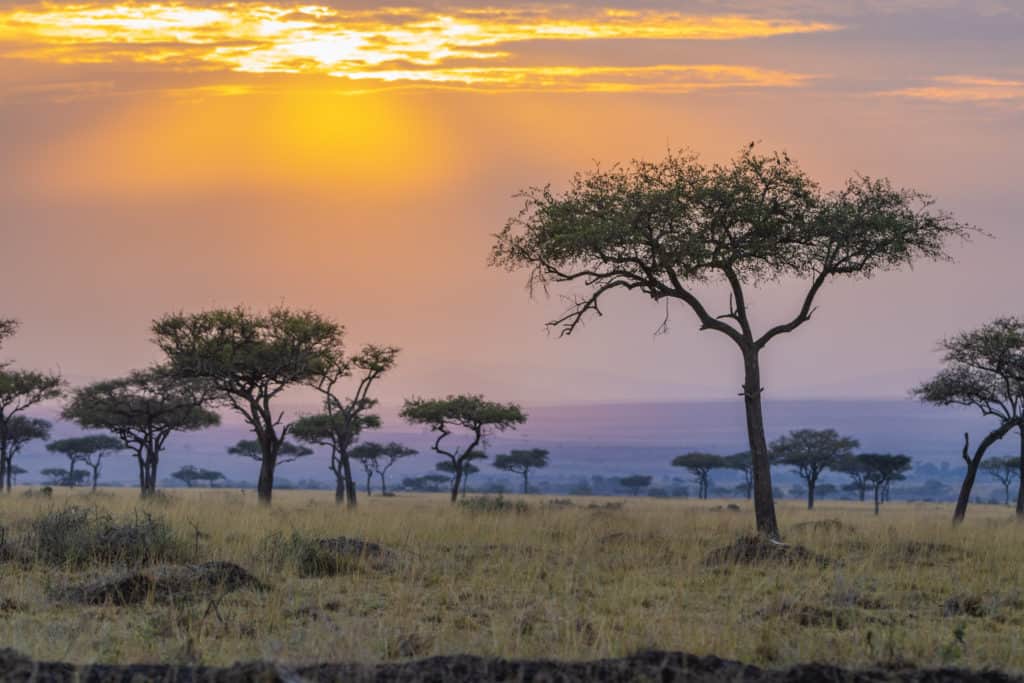
What Is the Great Migration in Africa?
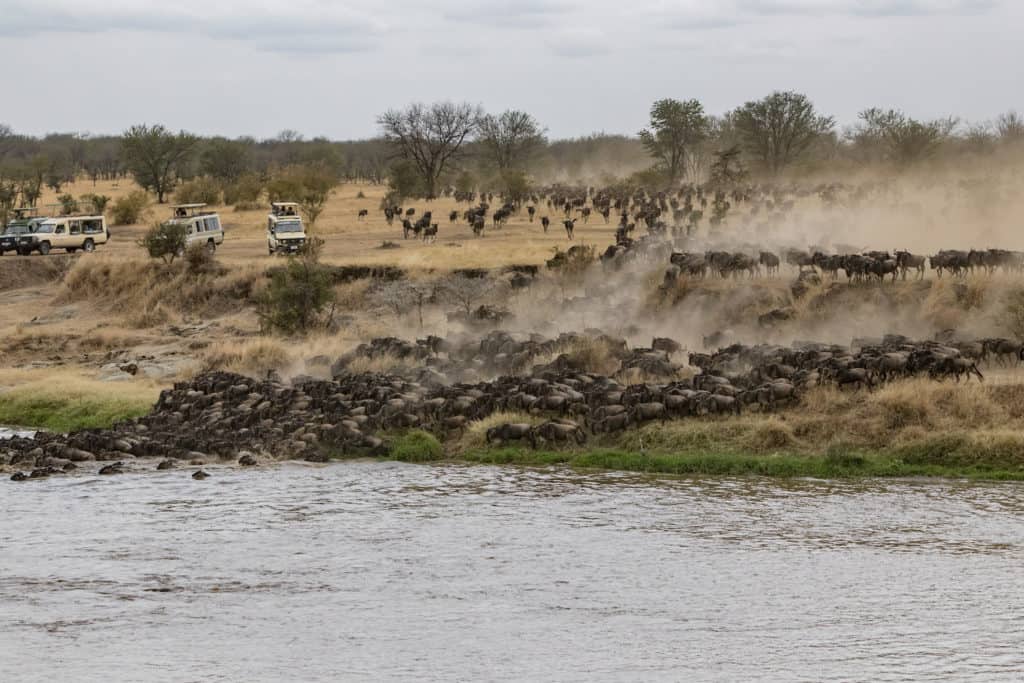
One of the main reasons to go on an East African safari is to witness the spectacle of the Great Migration. This is not a singular event, but a constant cycle of movement for African mammals searching for resources to survive. Year-round the wildebeest, zebras, and other ungulates move in predictable patterns across the Mara Triangle. As the dry season progresses, the herds are driven from Tanzania towards the Masai Mara, following the rains to plentiful grasslands.
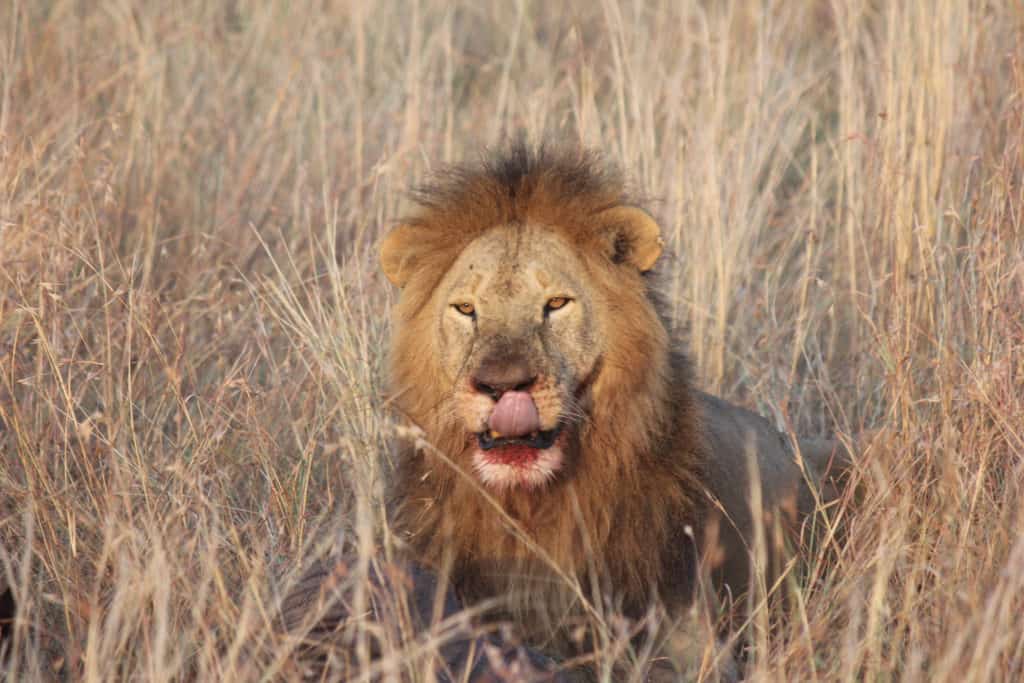
Tourists flock to see these giant herds crossing croc-filled rivers. The wildebeest skitter back and forth, appearing to follow their instincts about when to go. While lurking in the dry brush, large predators wait to hunt the sick and weak. Watching the spectacle is intense, emotional, and downright gruesome at times.
East African Safari- Map
Generally, an East African safari includes visiting Kenya and Tanzania. However, there are a variety of countries that can be added to the journey for a one-of-a-kind vacation.
How to Get to Your Safari Destinations:
Getting to East Africa is no easy feat. I recommend booking a multi-city flight into Nairobi, Kenya or Dar Es Salaam, Tanzania. For the return, depart from the Seychelles (if you have time for that add-on). From the United States, it is common to transit through Qatar or Dubai, UAE. Shop my favorite travel products here!
I highly recommend flying on Qatar Airways in their stunning QSuites! They offer spacious seating, amazing food and an impressive wine menu. This is the most comfortable business class we have experienced and you just might not want the flight to end . . . really!
If you would like more information about what to do on a Stopover in Dubai, check out my blog post linked below for all the details. We stayed in Dubai for two nights before our safari adventure and I highly recommend seeing the city. Next, fly from your layover city to Tanzania. It’s a 5+hour flight from the UAE.
It is common for the safari resorts to handle your round trip transportation to the remote air strips for charter flights between locations. The following morning, board the aircraft in Dar Es Salaam to Lake Manyara airstrip. From there, it is a 1.5 hour drive to Ngorongoro Crater.
Seeking Stamps Tip: Don’t be alarmed by changes to flight times or charter companies. For example, it is common to arrive at the airstrip and be told you are leaving a few minutes earlier or later than you have written in your itinerary. The small charters function more like a taxi back and forth, so reservations are less structured than we are used to in the US. Follow the instructions of the person in charge and you will be good to go.
Where to Stay in Dar Es Salaam:
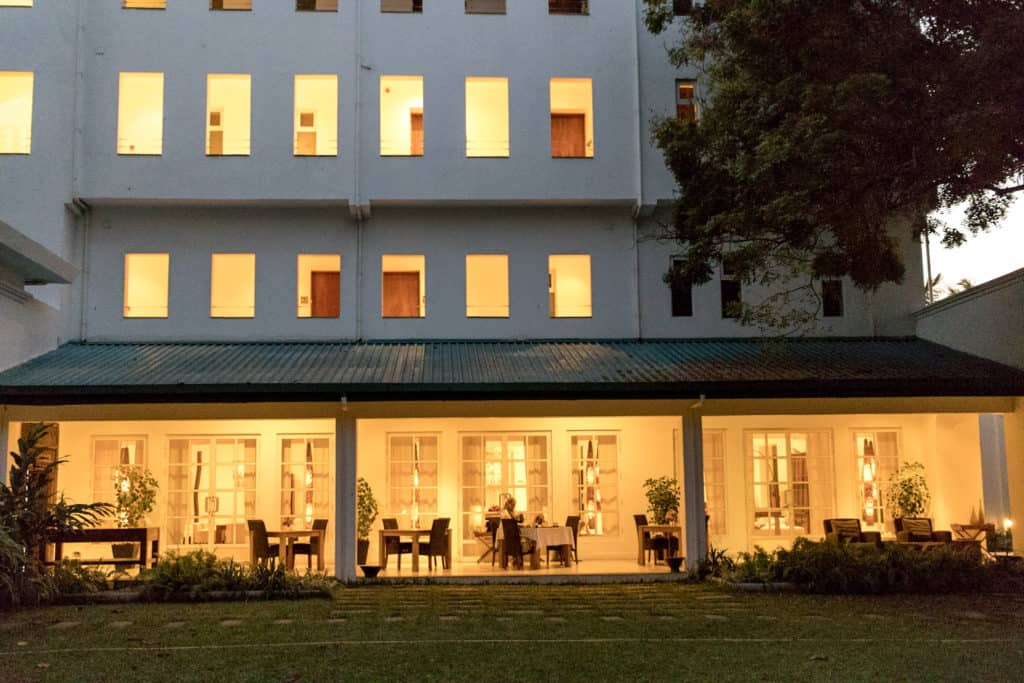
If you choose to stay in coastal Dar Es Salaam, consider The Oyster Bay Hotel. It is a charming boutique accommodation that feels more like you are staying with friends than sleeping at a hotel. This location offers luxurious ocean view suites and specializes in hosting guests for brief stopovers. Dining is included in your stay, so there’s no need to venture out. The hotel is tucked away in a quiet sanctuary away from the bustling city nearby. This is a perfect location for an excellent night’s rest before your flight in the morning.
The “Do’s” For An East African Safari:
1. “DO” Choose A Reputable Travel Agent-
First and foremost, use a reputable travel agent when you plan an East African safari. You will most likely be in VERY remote destinations. If there is an issue with a booking or transportation, there isn’t another hotel “down the street” you can move to.
Do your homework and compare the different companies and itineraries. To find out if an operator has competitively priced packages, try to compare “apples to apples”. For example, have the travel agents price out your estimate with the same safari lodges as one another, so you can see how prices stack up. Read Google reviews, and search for the companies in the travel forum of TripAdvisor for more information.
Ideally, contact at least three travel agents and compare three different itineraries. Find out if the national parks on your itinerary have the animals and experiences you are looking for. Pay special attention to what is included (i.e. game drives/meals) and where the accommodations are located. For example, at Ngorongoro Crater we had one quote with a resort that was over an hour away from the crater. While the lodge was beautiful, driving back and forth for several hours a day, in addition to driving for the safaris, wasn’t what we wanted to do.
Seeking Stamps Tip: Look for an operator that has safari expertise.
For our East African safari, We used Giltedge Travel because they specialize in the African continent. They gave us excellent customized itineraries and included the resorts we desired, at highly competitive prices.
2. “DO” Understand The Typical East Africa Safari Schedule-
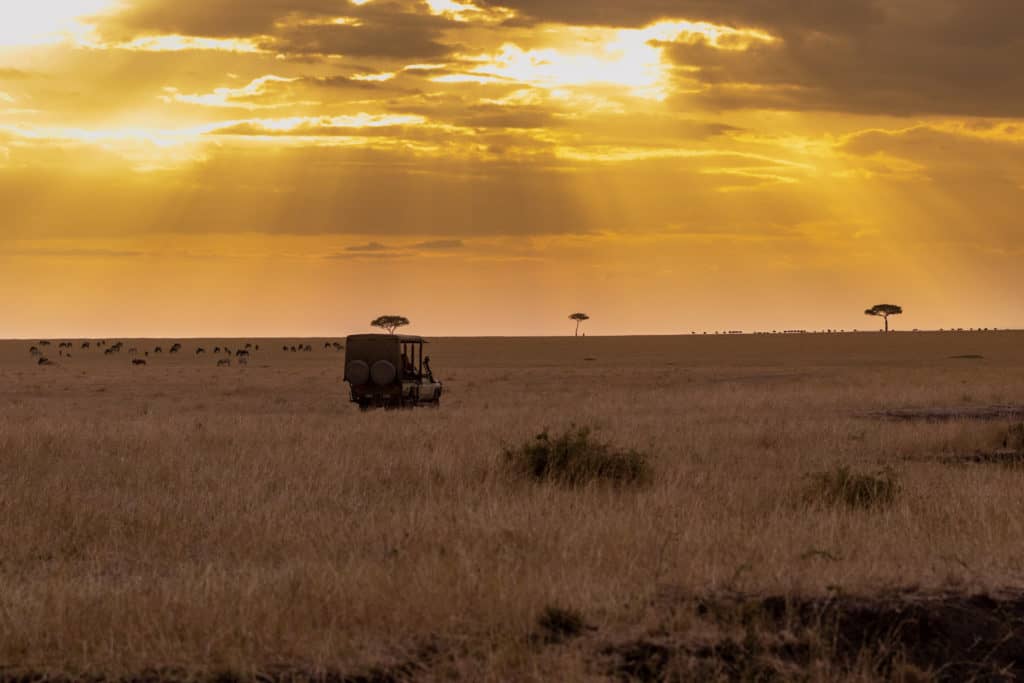
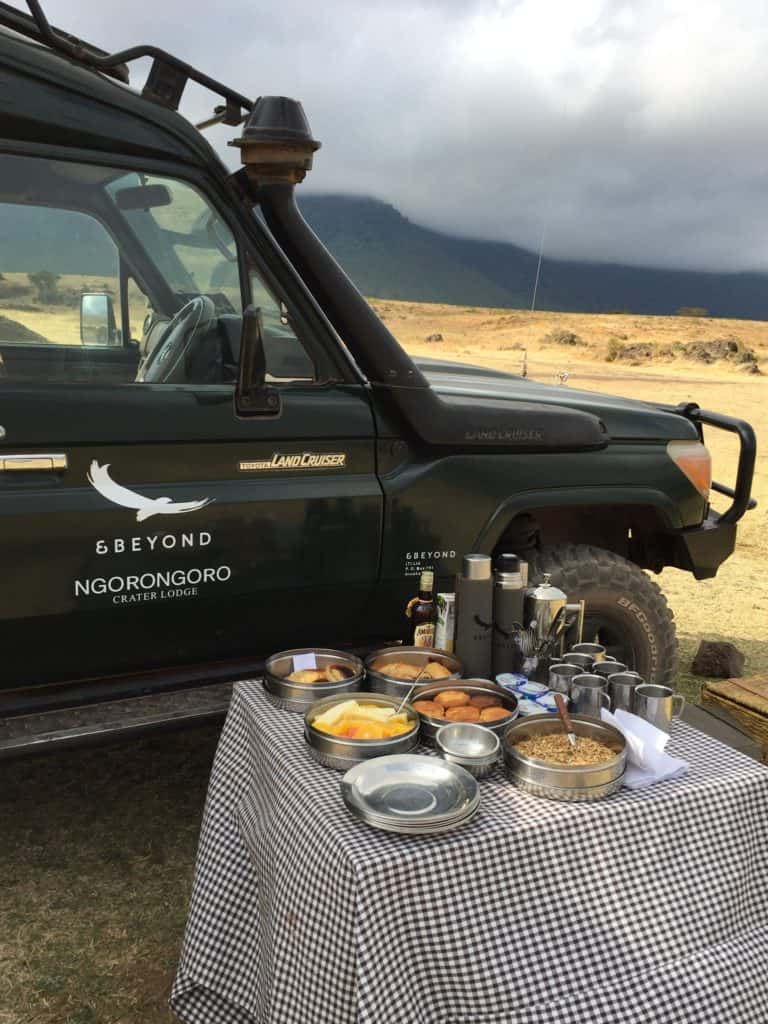
Undoubtedly, the most important component of your East African Safari is the game drives. There are typically early morning and evening safaris to view the animals during their most active state. Commonly, coffee and small nibbles are delivered to your room before your departure. A bush breakfast is usually served midway through the game drive.
By mid-morning, the sun begins to drive the animals into the shade. Return to your room and rest, freshen up, and grab lunch.
Game drives resume in the late afternoon until dark, when animals are active and hunting. This is a thrilling time to be watching all the activity! After dark, return to your accommodation to shower and freshen up for dinner.
Keep reading to learn more about what to wear on safari…
Tanzania:
3. “DO” Begin With Visiting The Ngorongoro Crater-
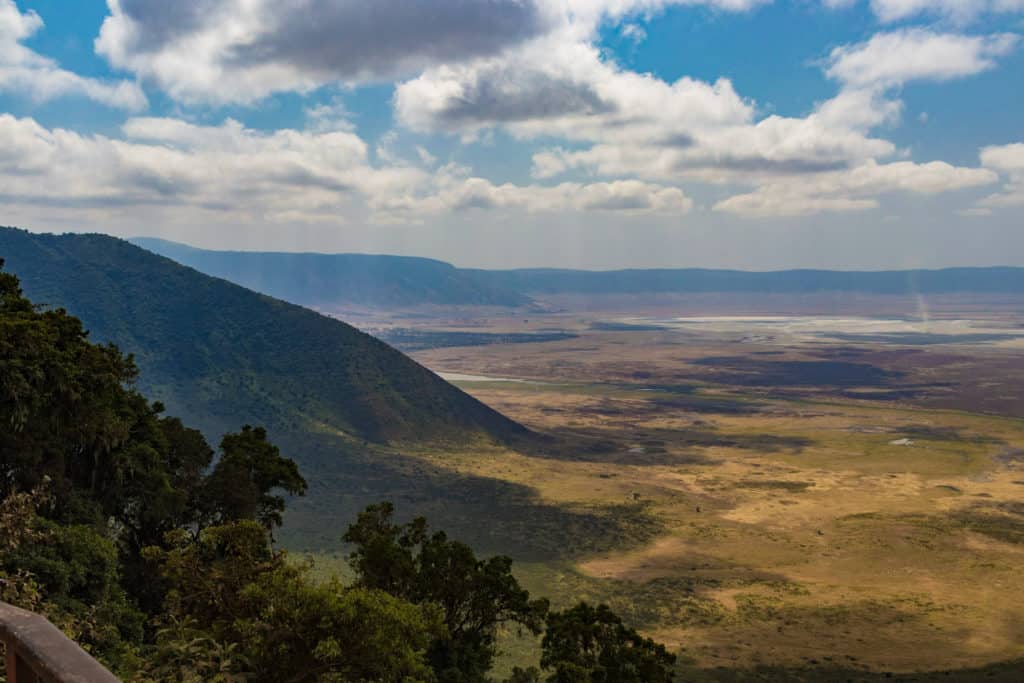
First, explore Ngorongoro Conservation Area , which is an UNESCO World Heritage Site in Northern Tanzania. According to the website ngorongorocratertanzania.org, Ngorongoro Crater is “the world’s largest unbroken inactive volcanic caldera”. It is so impressive, and has been affectionately named, “the African 8th Wonder of the World”.
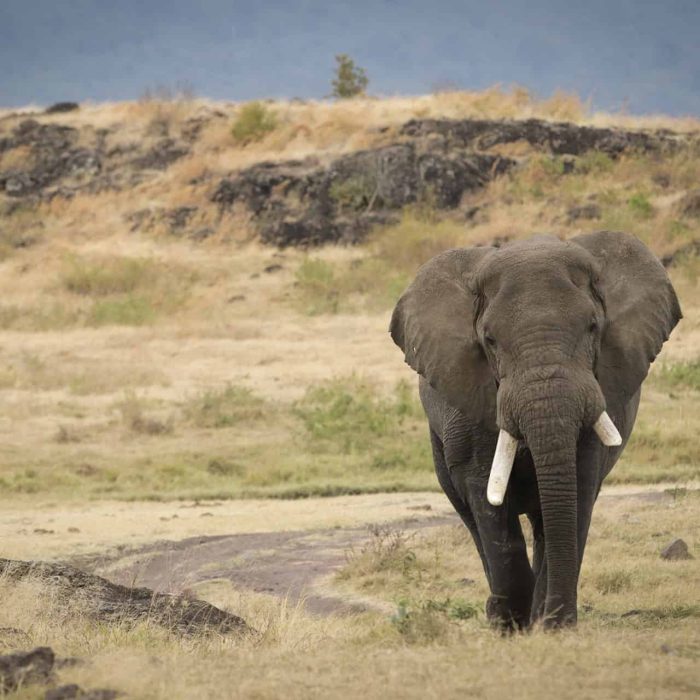
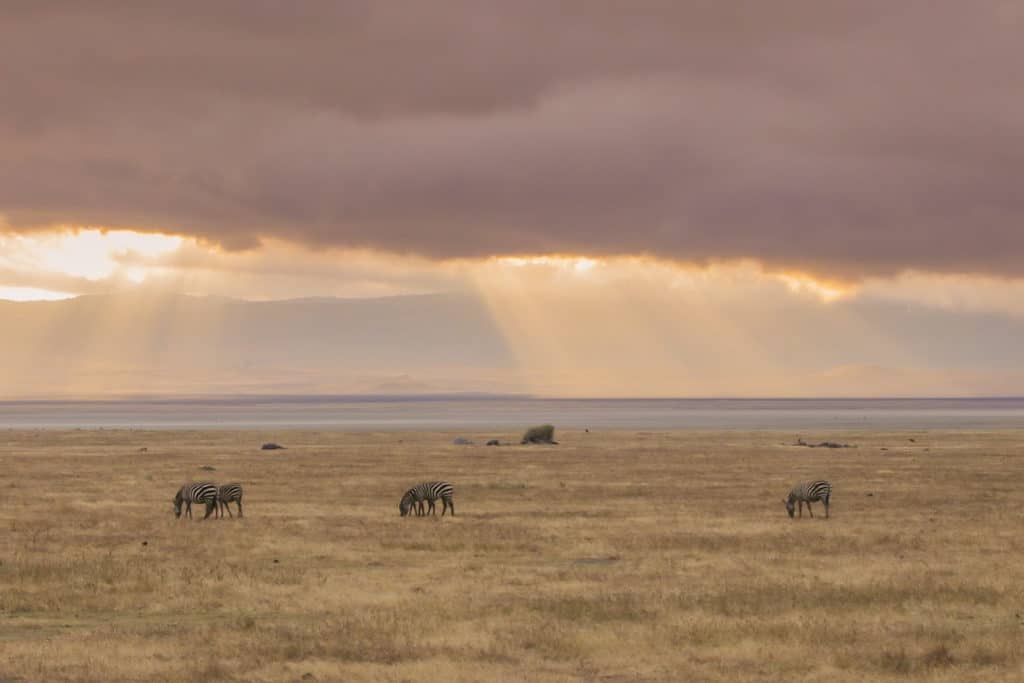
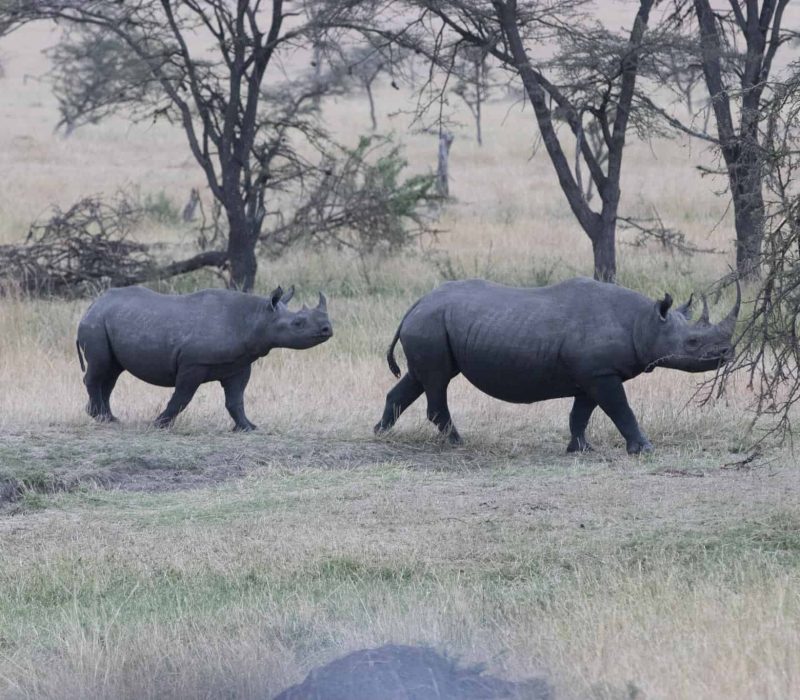
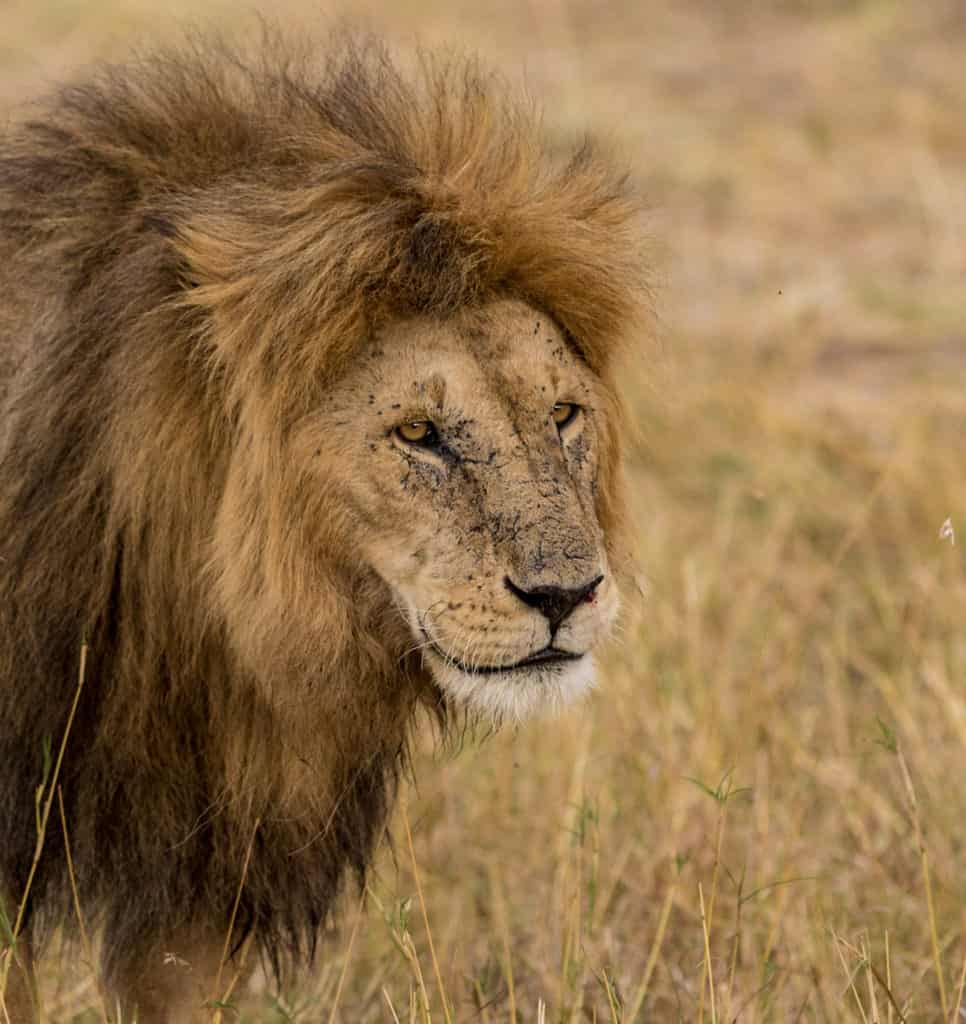
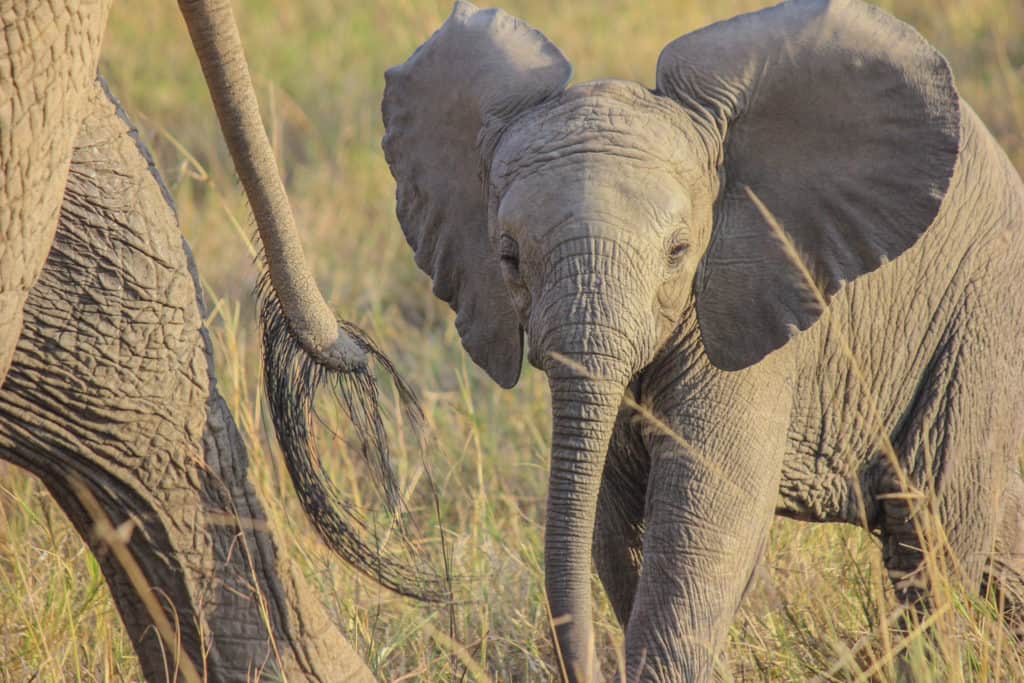
Unlike other destinations in Africa, animals in the crater do not typically migrate. The 100 square mile caldera provides the perfect ecosystem that sustains life there. The “Big Five”, elephants, lions, buffalo, and rarely, leopards and rhinos all roam within the caldera.
If you are including a stop to Ngorongoro Crater, I would begin your itinerary here. In contrast to the Serengeti and Masai Mara, the Ngorongoro Conservation area has implemented strict rules to protect the animals.
Enclosed vehicles are mandated to stay on the main road, and the park closes at sunset. If this is your first safari destination, you probably won’t mind the limited access as you see the majestic animals for the first time. It would be less enthralling to have full 4×4 access to wide open terrain of the Serengeti or Masai Mara, and then be confined to the narrow roads here. In that case, the crater might seem more “zoo-like”.
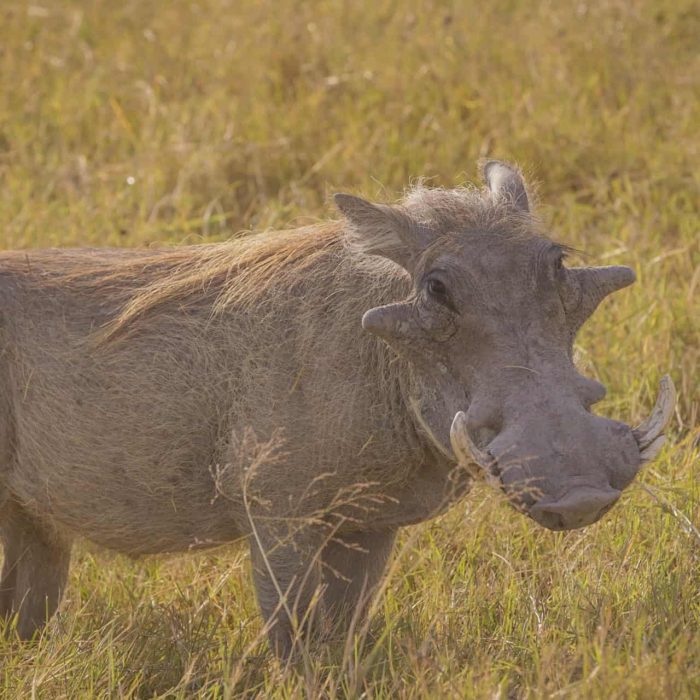
Don’t let this deter you from visiting, it is a remarkable stop on your itinerary filled with close up views of animals such as lions, elephants, wildebeest, hippos, ostriches, warthogs, baboons, and buffalo.
WHERE TO STAY NEAR NGORONGORO CRATER
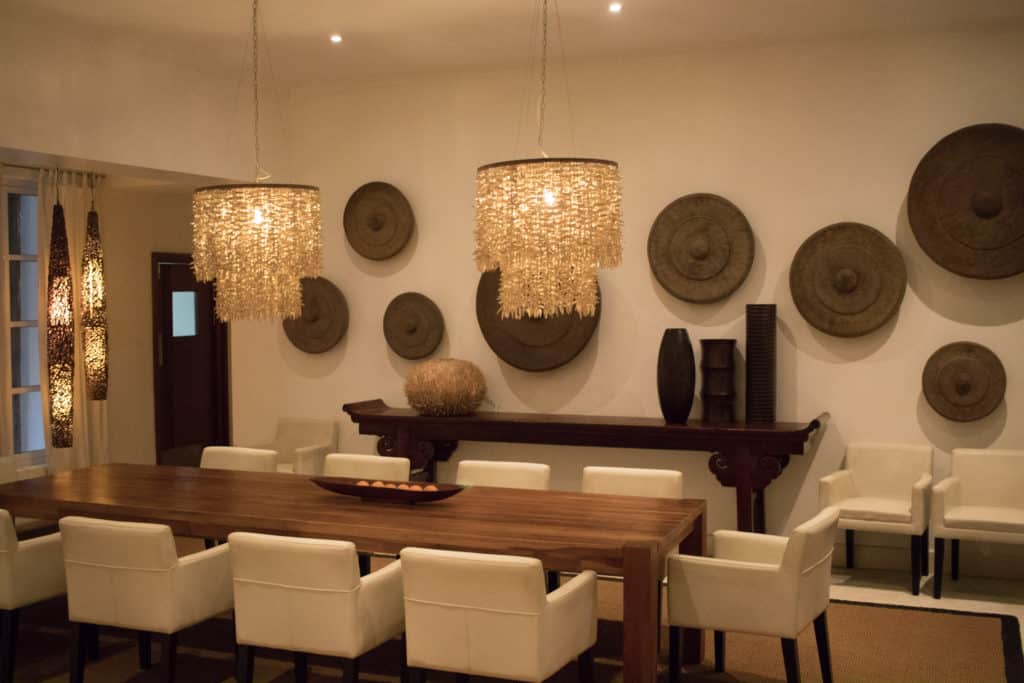
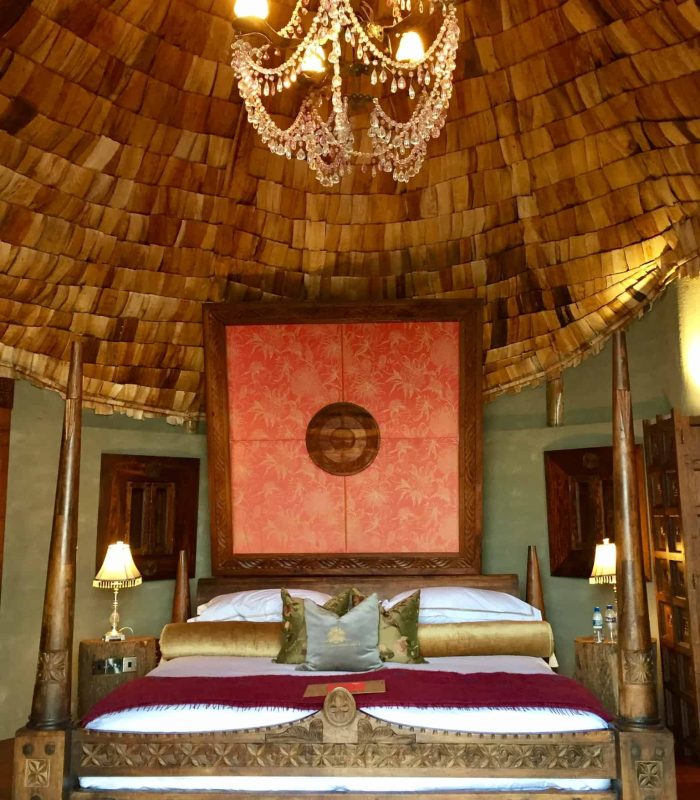
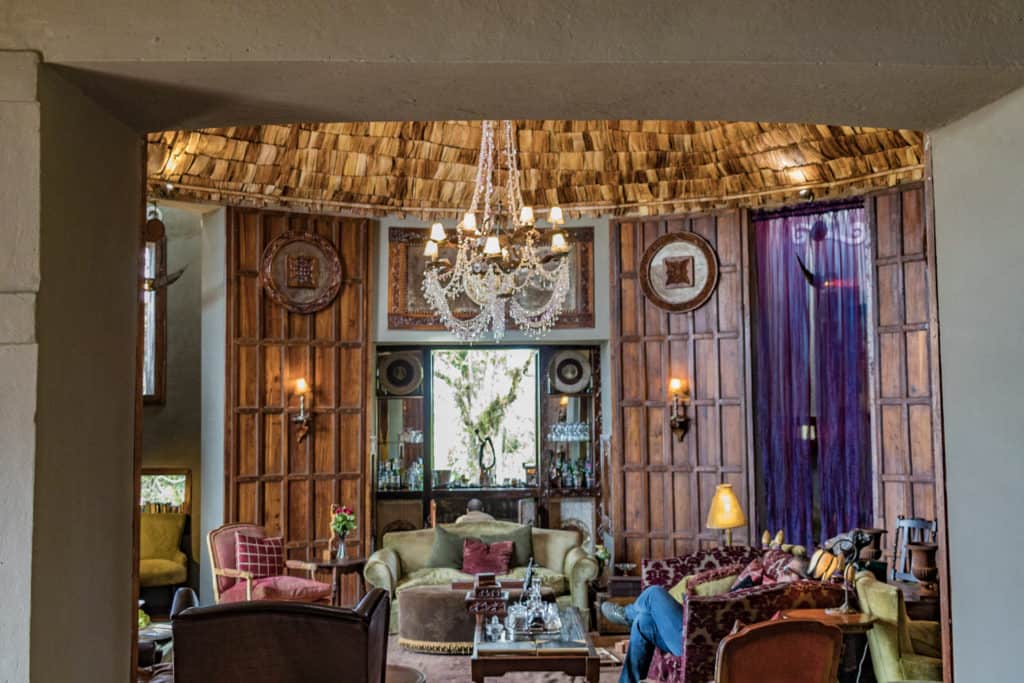
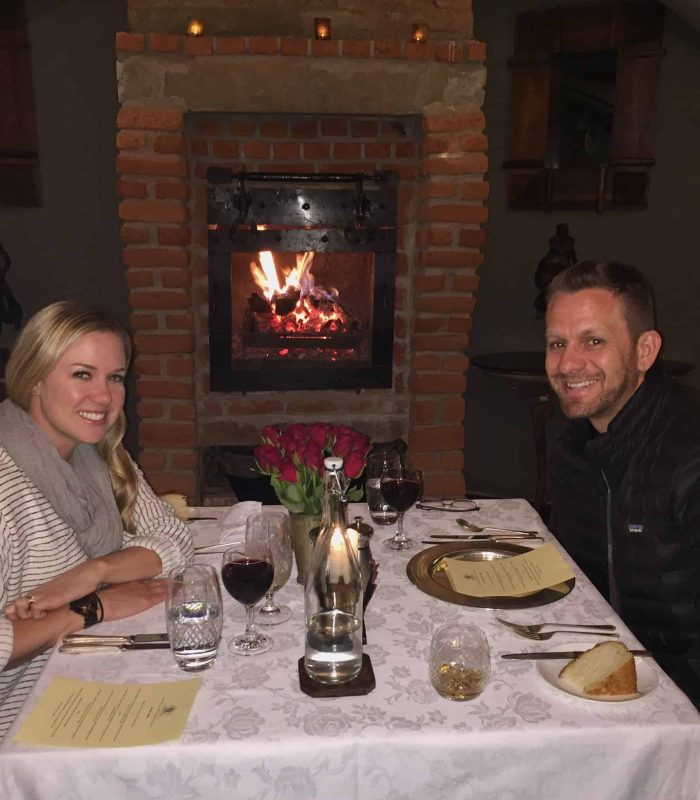
Located in close proximity to the conservation area, is the five star AndBeyond Ngorongoro Crater Lodge. This charming lodge is perched above the crater and offers expansive views of the sunken caldera. Its ambiance is reminiscent of an old African hunting lodge with eclectic decor, dark wood tones, ornate crystal chandeliers and romantic velvet fabrics. Huge brick fireplaces impart coziness in the main dining area. It may sound over the top, but the environment screams “you are on a safari”, which is an exhilarating feeling.
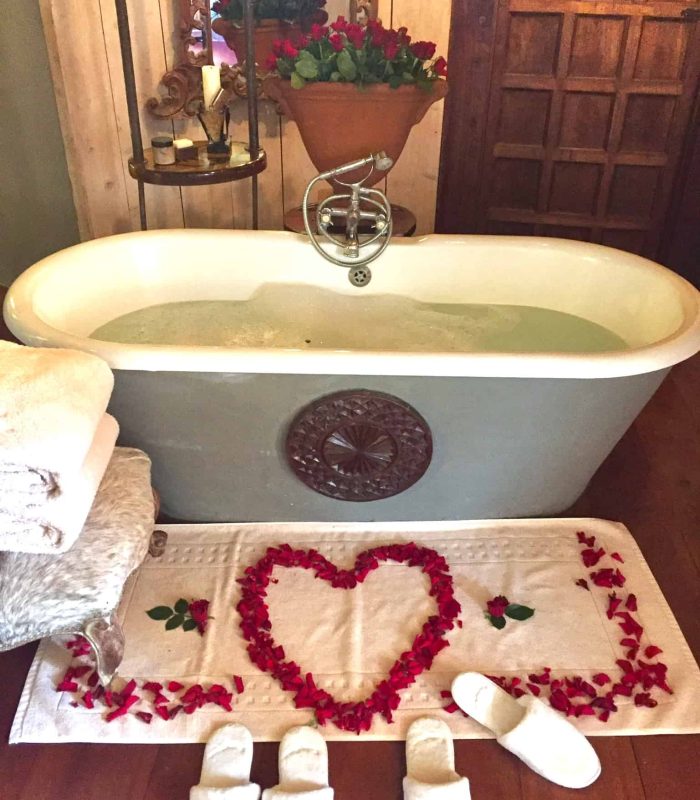
Without a doubt, the level of service and hospitality is what sets AndBeyond resorts apart from competitors in Africa. Delicious gourmet meals are all-inclusive with your stay. Personal butlers pamper you with extra touches such as, adding bed warmers during turn down service, having your favorite cocktails ready after an exhausting day, and drawing bubble baths strewn with rose petals. The environment, views and decor here ooze with romance.

4. “DO” Take A Maasai Village Tour-
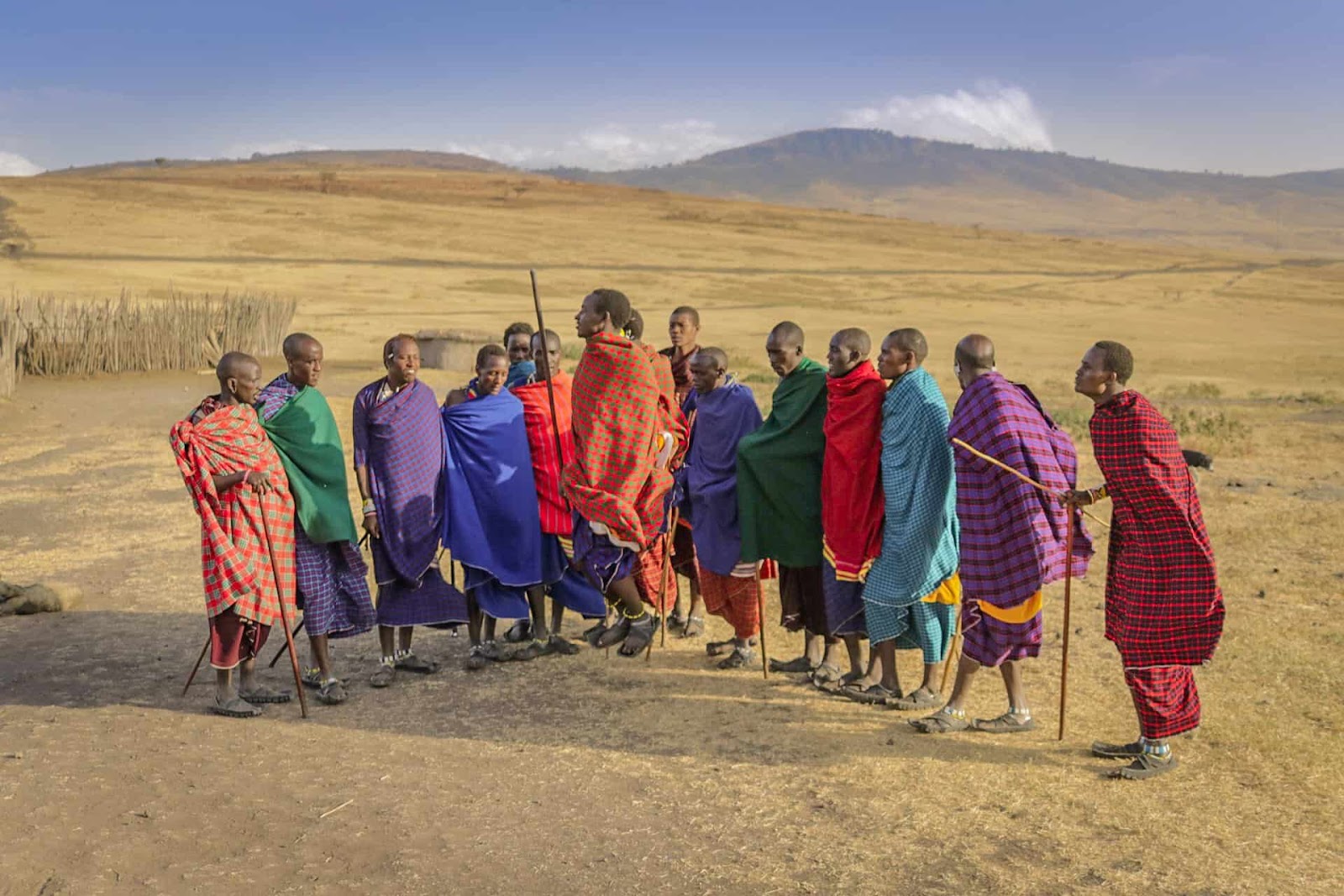
AndBeyond offers a multitude of activities such as wine tasting, hiking, massages, lion conservation and the option to visit a local community. A visit to a Maasai village was an enlightening addition to our time in Tanzania. Learn about local culture, hunting, animal interactions and more. Small purchases of jewelry and trinkets can be made to directly benefit the community.
Serengeti:
5. “Do” Visit Serengeti National Park-
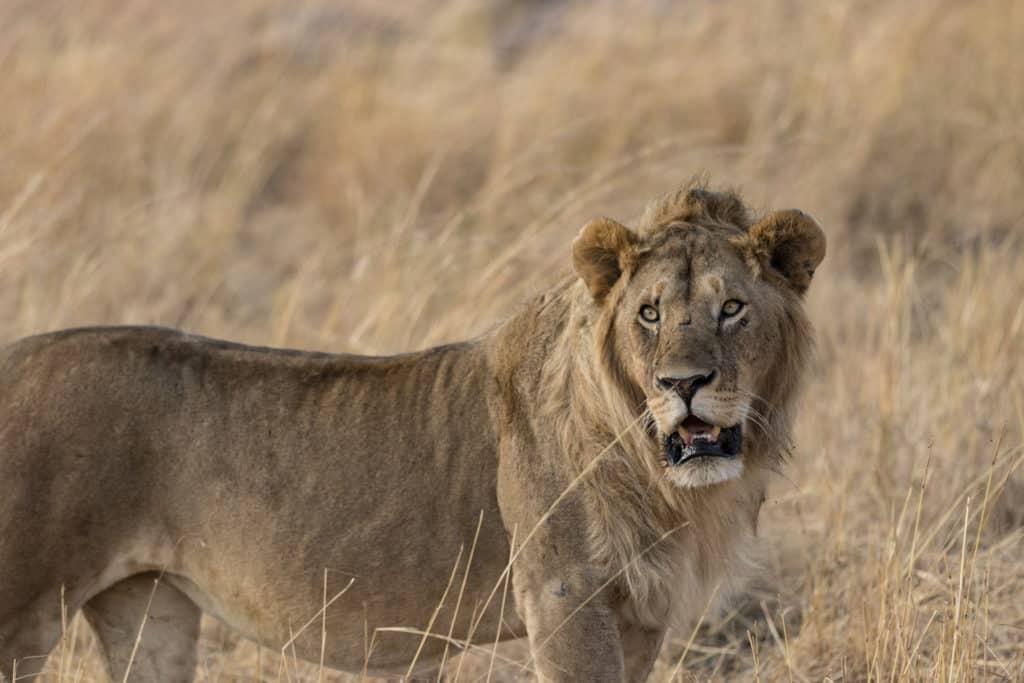
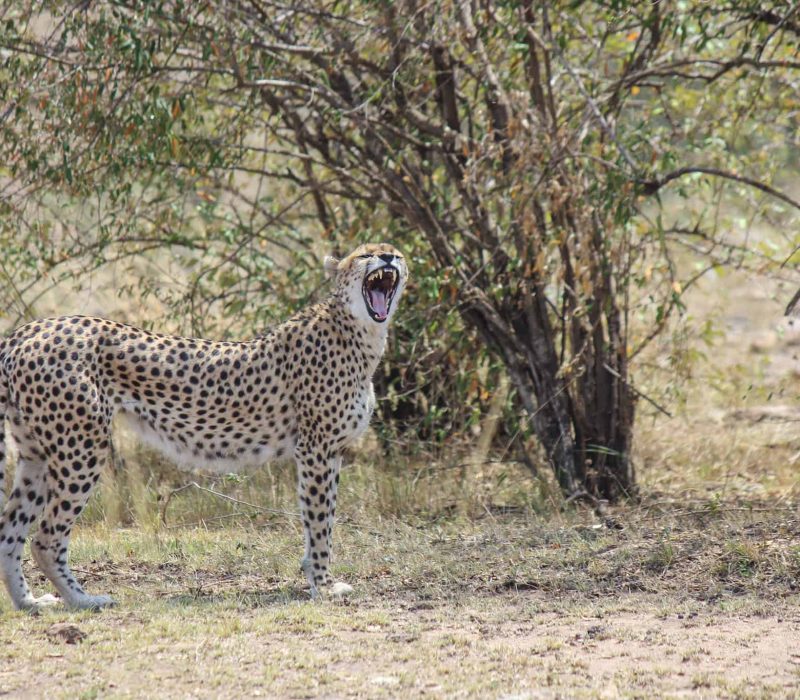
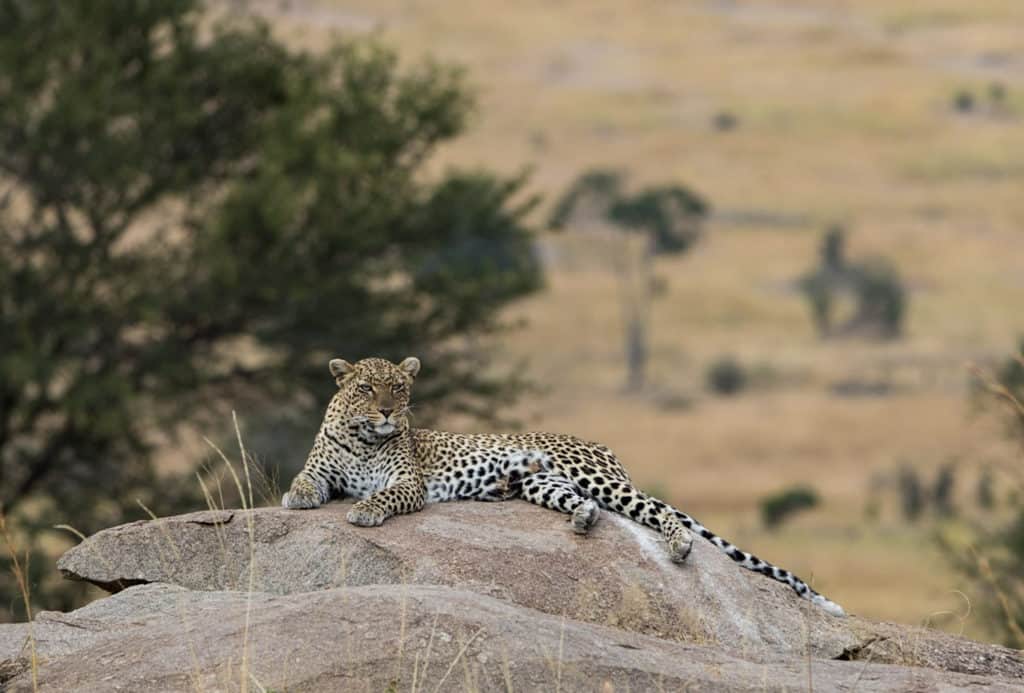
Following a 1.5 hour flight from Ngorongoro, you will arrive at the expansive Serengeti National Park. In comparison to the confines of the crater, wide open spaces and more relaxed rules make the Serengeti feel like the “Wild West”. You will off-road over rocks, splash through streams, and really crank up the adrenaline level here. The Serengeti encompasses over 5,700 square miles and according to US News and World Report, “it houses the highest concentration of land mammals in the world.” In this designated UNESCO World Heritage Site, prepare for masses of wildebeests, zebras, gazelles and other animals gathering by the millions.
6. “DO” Stay In A Tented Camp-
Unquestionably, Africa is very diverse. For that reason, consider staying in various types of accommodations. You will have unique interactions with the wildlife and environment in different camps. At a minimum, consider staying in a mobile tented camp that has more “temporary” canvas accommodations and one more permanent resort. The major advantage of tented camps is their close proximity to the wildlife. Additionally, hearing the animals hunt and roam through the camp at night is fascinating.
Keep reading to learn about staying in a tented camp. . .
WHERE TO STAY IN THE SERENGETI
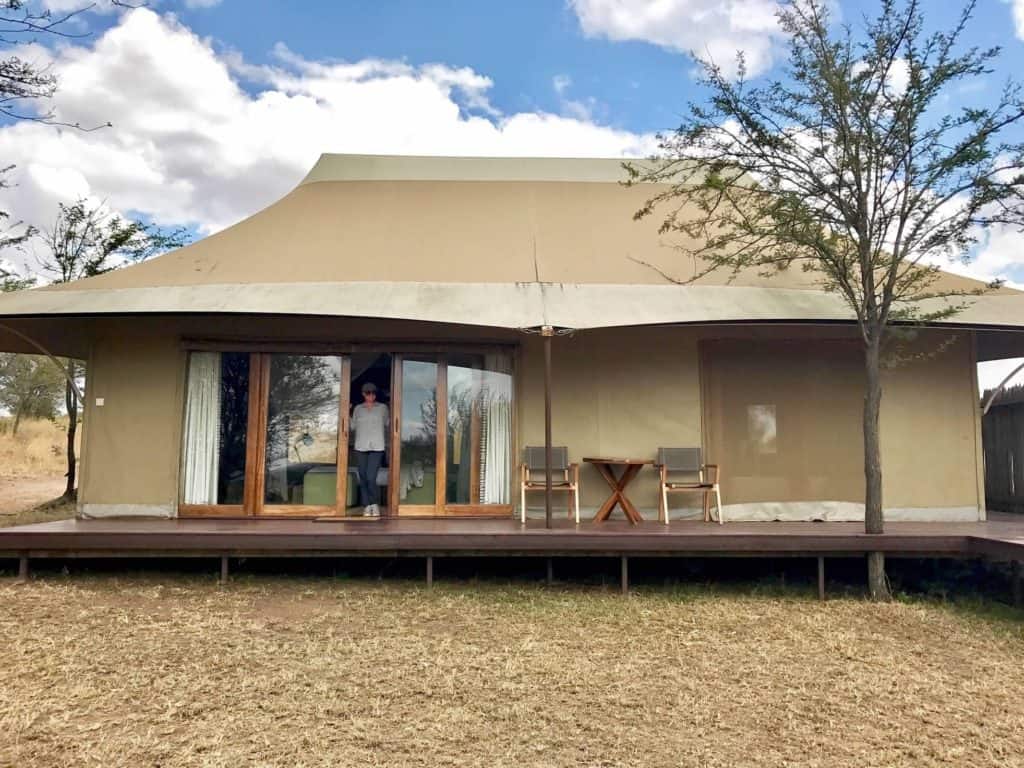
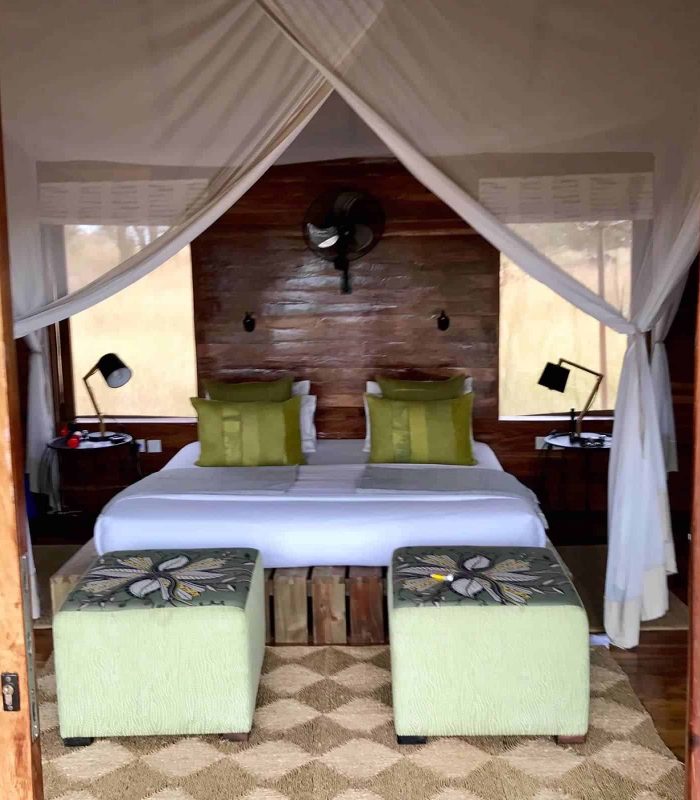
For our tented camp experience, we chose Asilia Africa’s Sayari Camp. After you arrive at Kogatende Airstrip, the camp is a short 20 minute drive. Situated near the Mara River, this location offers a prime spot to witness explosive river crossings.
This camp is not fenced, so animals trek within the camp areas. For this reason, Sayari Camp is only operational from June to March. In addition, guards are recommended when walking across the property and shuttles are required after dark.
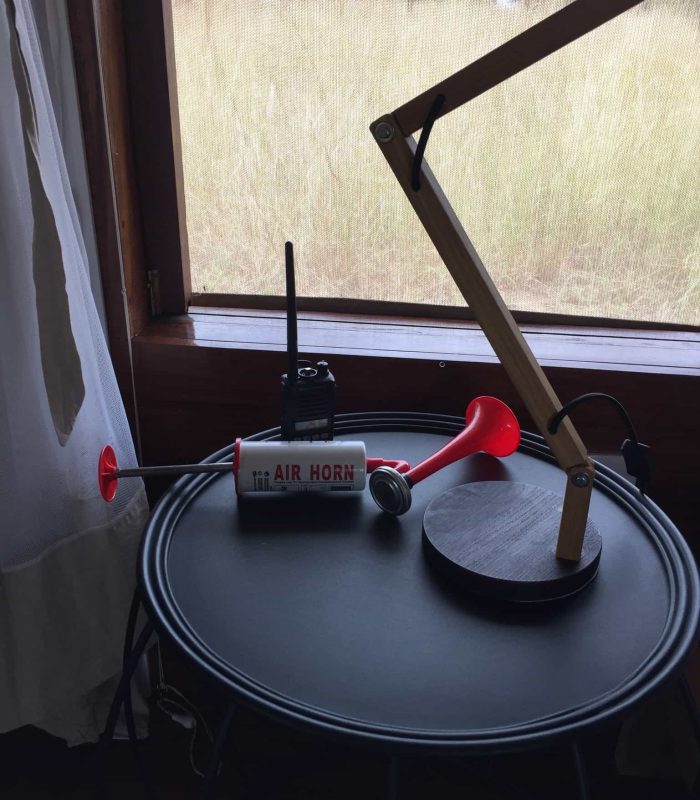
Despite the name “tented camp”, these accommodations are very luxuriously appointed with wood floors, porcelain bathtubs, mini fridges and front decks. Additional features of the property include a swimming pool and a solar-powered micro brewery. In room “security”, include an air horn and walkie-talkie, which are only to be used if an animal is inside the tent. Yikes!
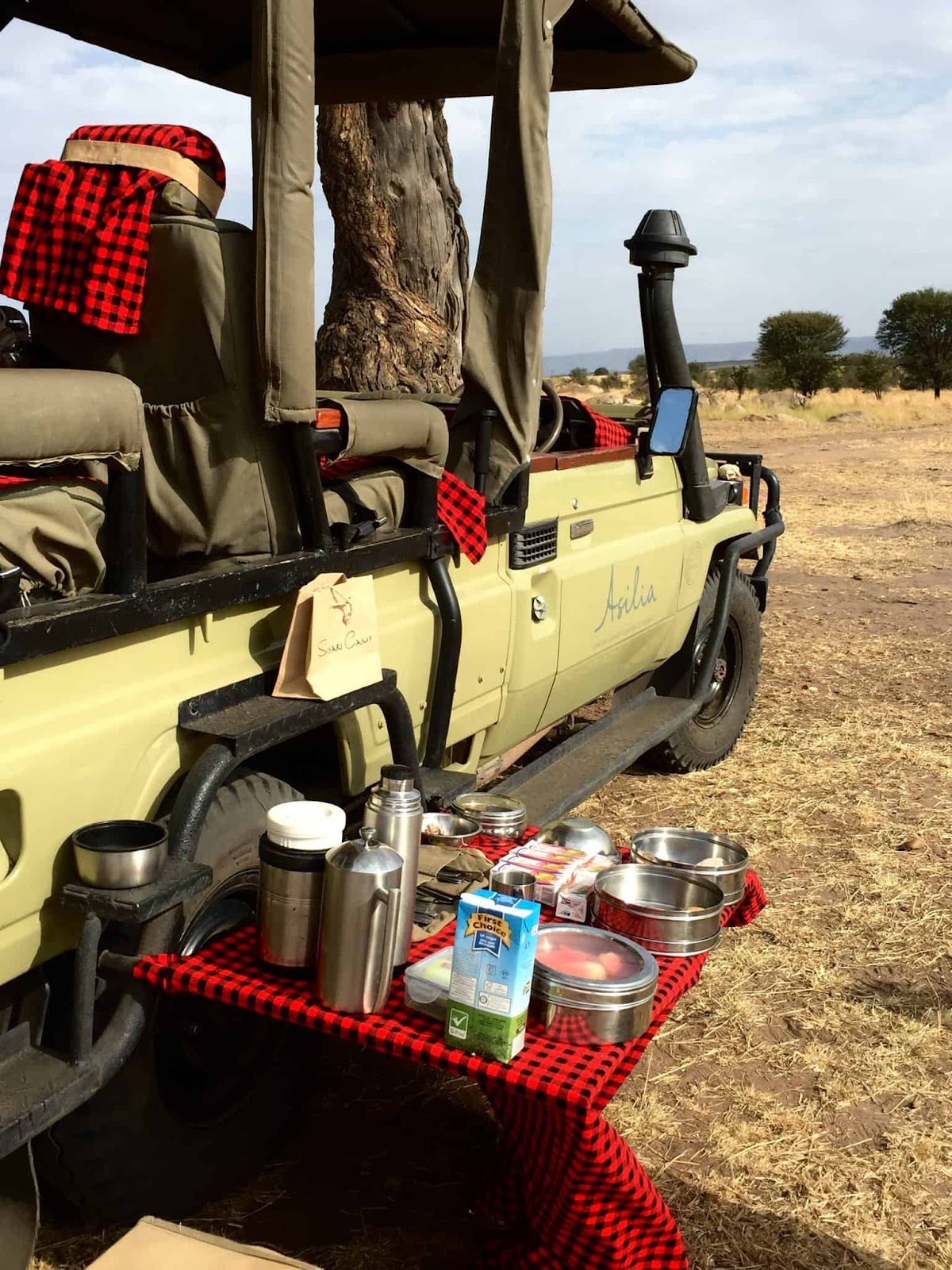
Dining here is all- inclusive and each morning coffee and biscotti were dropped off at our tent. Bush breakfasts consisting of eggs, fruit and muffins are served mid-morning on game drives. Buffet lunch is served after the morning game drive and that allows time for a quick afternoon nap. Daily “sundowners” (a.k.a.cocktails) are offered near the campfire which might get you hooked on gin & tonics! Dinners are served, family style, in the main lobby. It was enthralling to share stories around the table with other fellow travelers each night.
Kenya:
7. “Do” Visit The Masai Mara National Reserve-
Just across the border from the Serengeti, is Kenya’s most prized reserve, The Masai Mara. This is another area of impressive game viewing that cannot be missed on an East African safari. The reserve encompasses almost 600 square miles and millions of animals migrate through its grasslands in search of food and water.
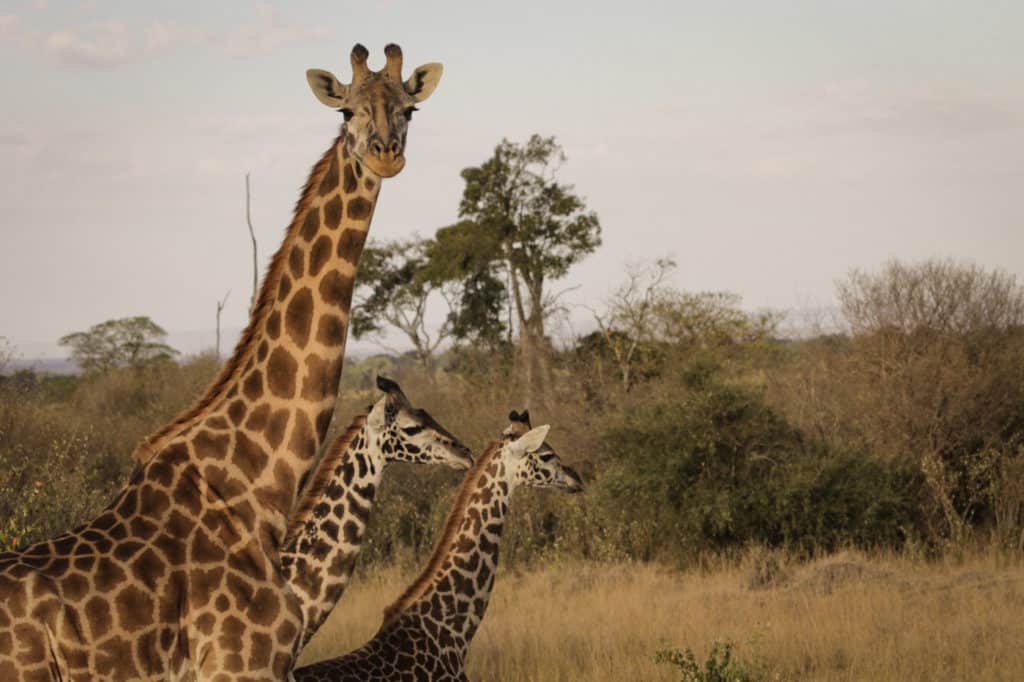
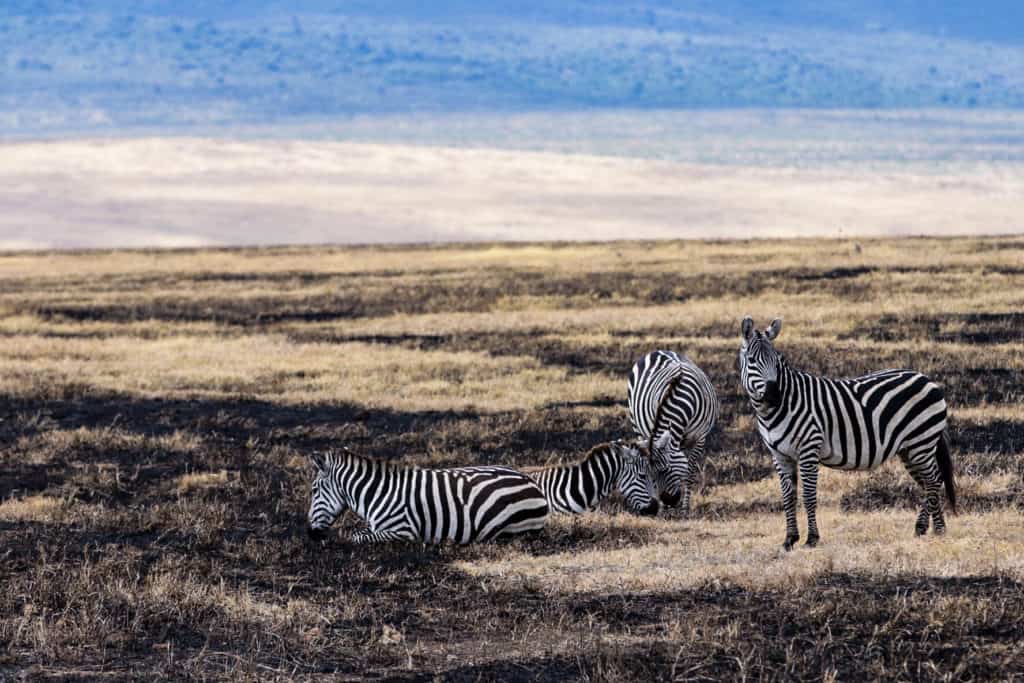
Peak safari season here is June to September when tourists rush to witness the Great Migration. Rainy “green season” is less crowded due to heavy rain in the reserve from March to June. This time of year can be less expensive, but weather conditions can be more challenging. As with the Serengeti, the “Big Five” can be found here as well. Antelope, a variety of birds, crocodiles, giraffes, hyenas, zebras, and many others can be seen regularly in the reserve.
WHERE TO STAY IN THE MAASAI MARA
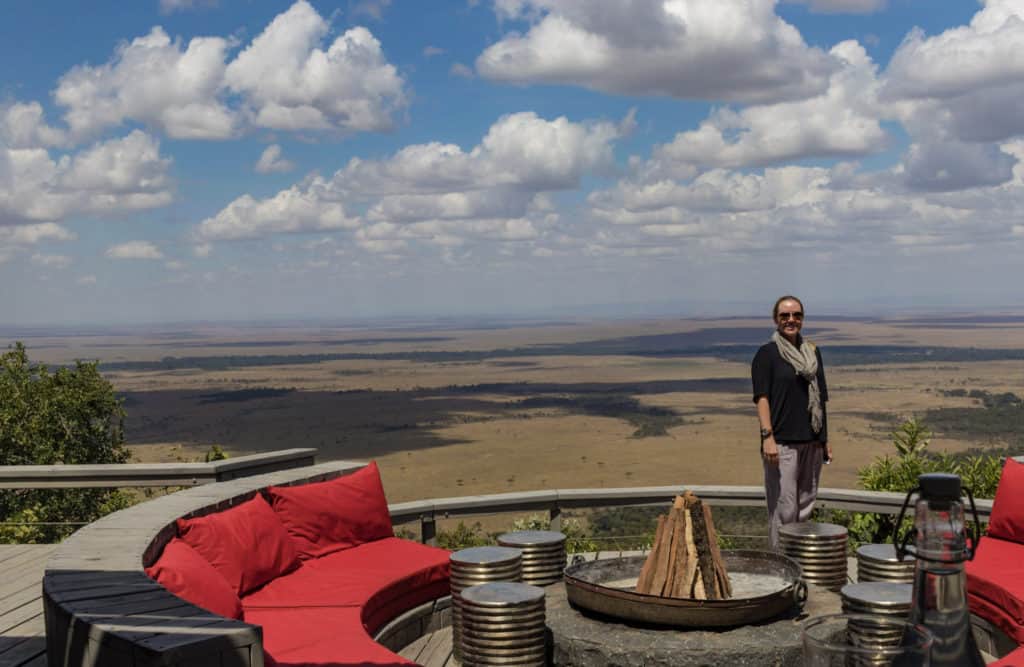
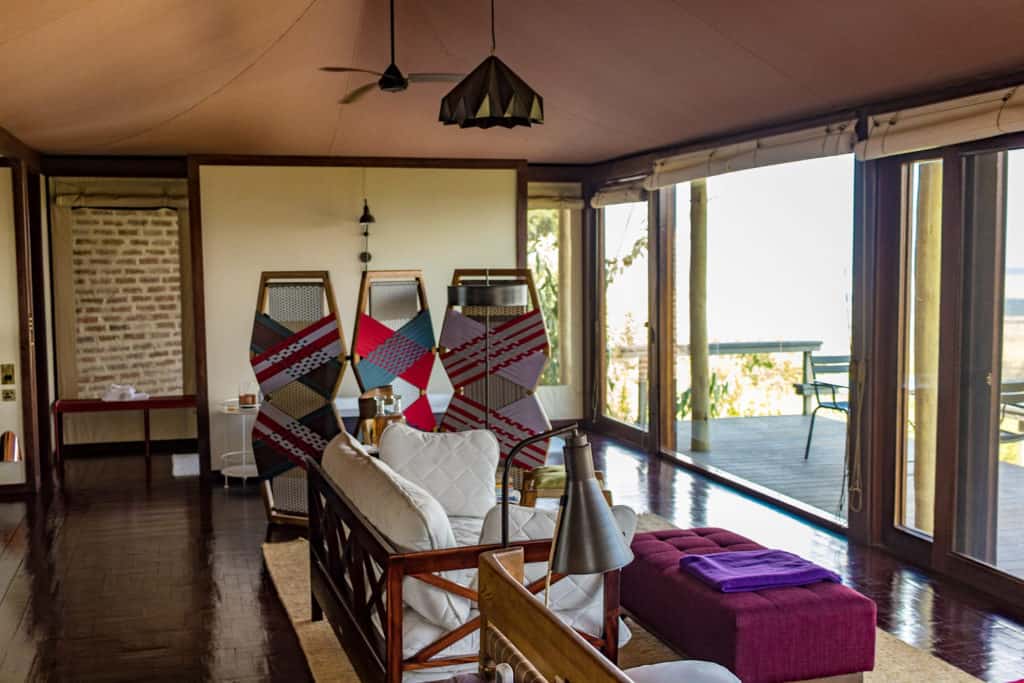
As the Swahili meaning of its name suggests, Angama Mara is a resort “suspended in air” above the expansive Great Rift Valley. When you are a guest here, you truly feel suspended in the air, and it is a magical feeling. To reach the private airfield at Angama Mara, it is a quick two hour flight from The Serengeti.
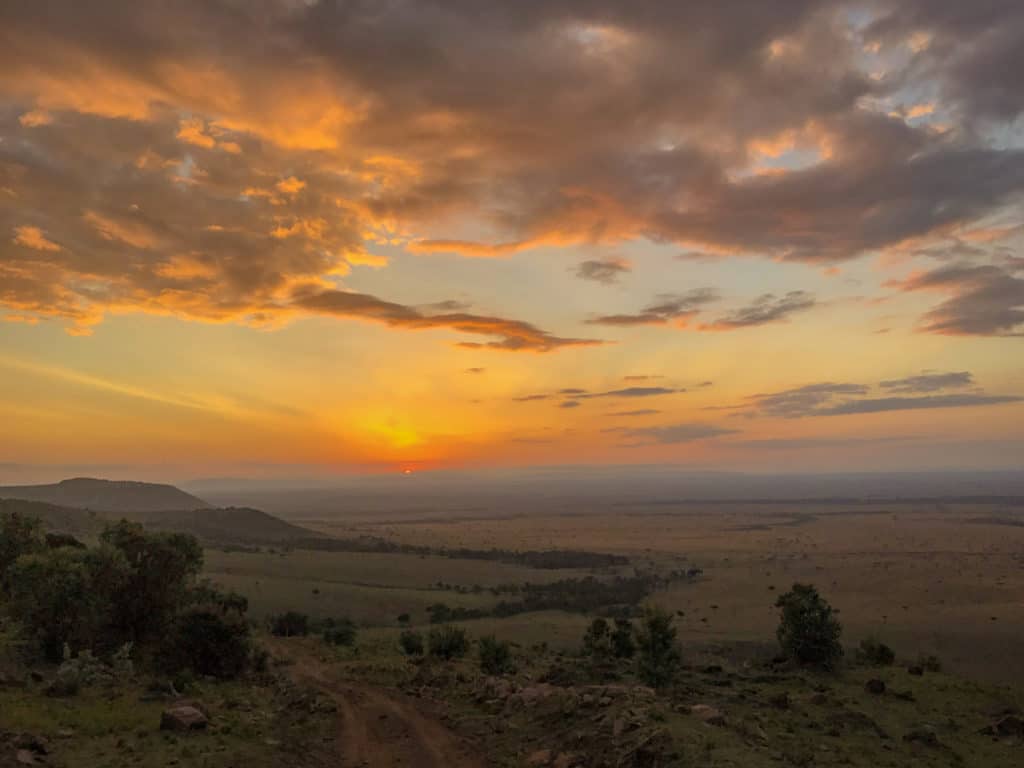
Obviously, the main reason for choosing Angama Mara is to enjoy the epic scenery! Each of the 30 luxurious suites have incredible views overlooking the lush valley below. Words cannot begin to describe the beauty of the fiery sunsets over the expansive Masai Mara Reserve.
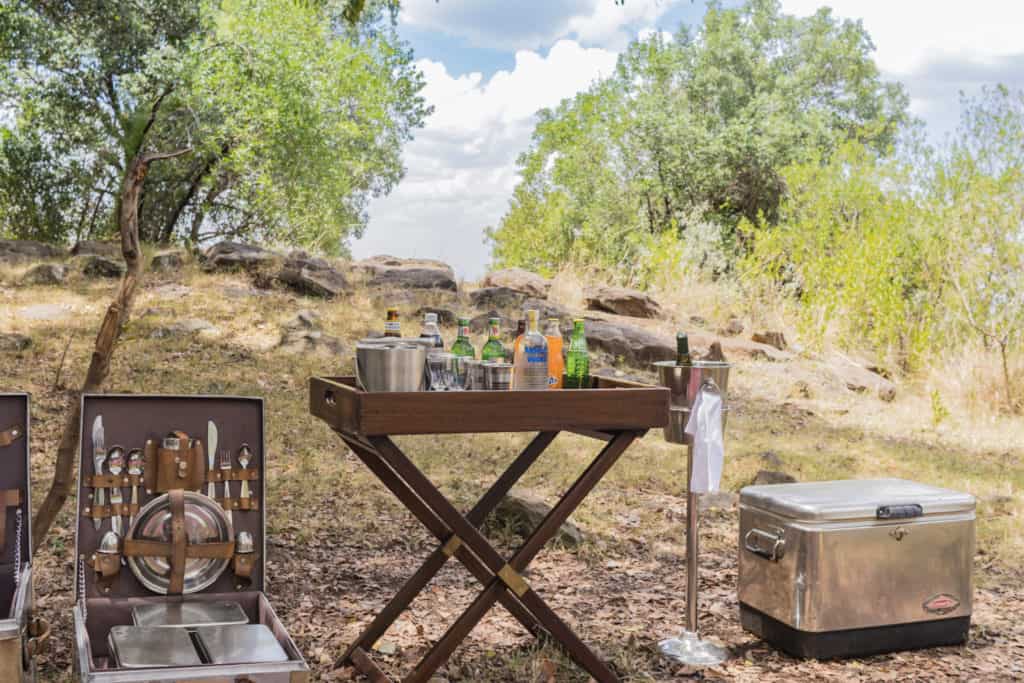
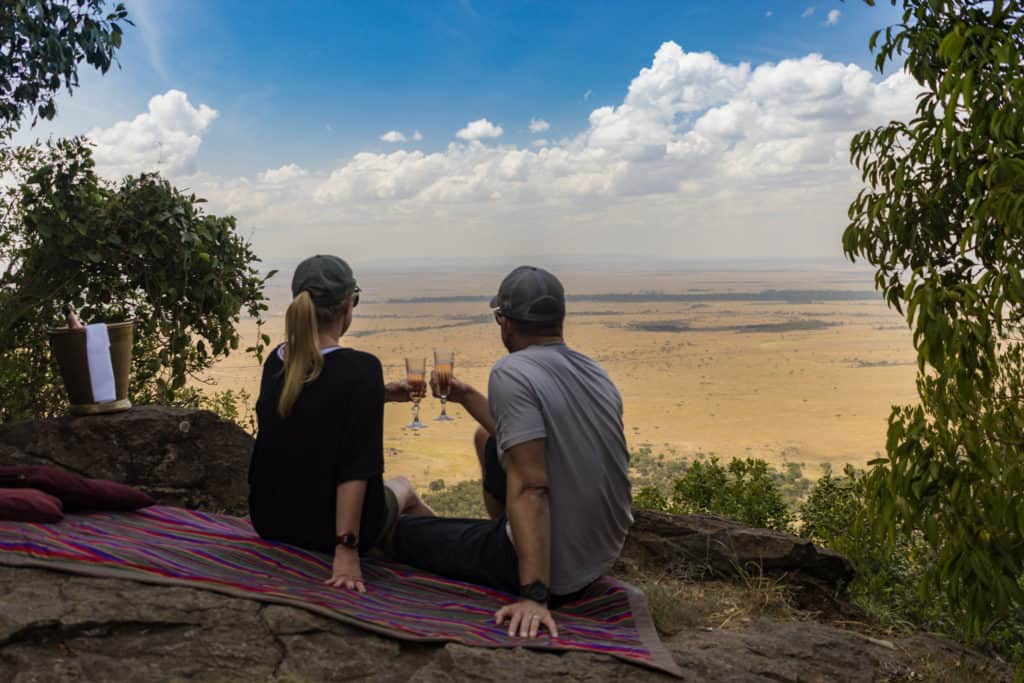
One unique experience offered here is a romantic hilltop picnic. Apparently, this stunning vantage point was used as a film location for “Out Of Africa”. Enjoy an intimate picnic lunch and champagne in what might be the most romantic experience of your life.
Additionally, Angama offers daily game drives in either private or semi-private vehicles. The entrance to the reserve is conveniently located approximately 20 minutes from your doorstep. Other optional activities include walking tours, hot air balloon rides, Maasai cultural experiences, shopping for souvenirs in the small boutique, or relaxing poolside.
As you would expect from a five star resort of this caliber, service here is exceptional. Every member of the team is friendly, smiling, and happy to assist you in any way possible. This may be one of the world’s most incredible resorts!
The “Dont’s” Of an East African Safari:
1. “DON’T” Forget Travel Insurance-
Obviously, a trip to remote East Africa is not without risks. Our travel agency required insurance, but if yours does not, I still highly suggest purchasing some. We felt safe during our visit, but there are inherent dangers and medical facilities are remote. Consider what you are personally comfortable spending in the event of an emergency and plan accordingly.
2. “DON’T” Break the Rules-
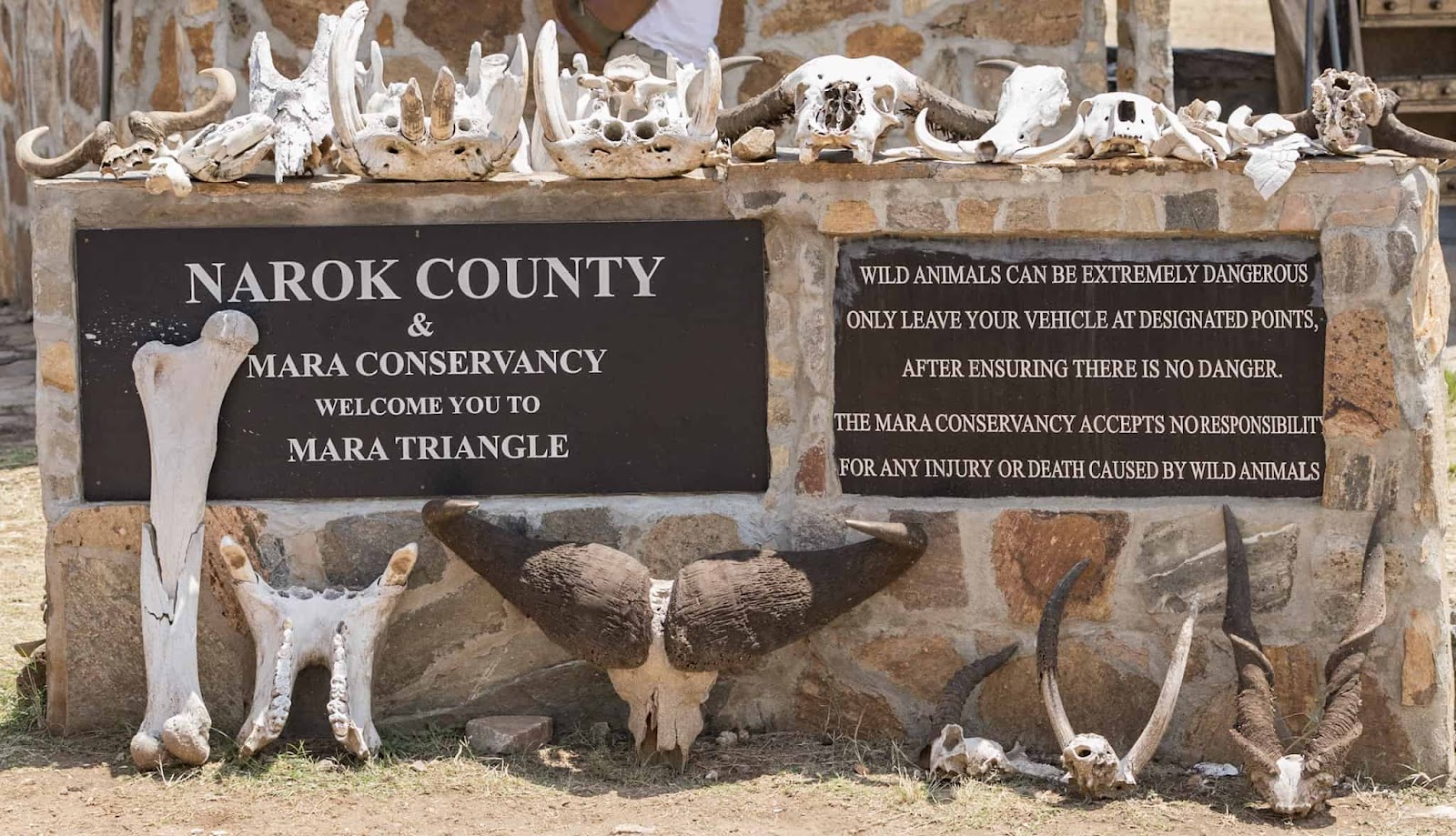
Rules are NOT made to be broken on an East African safari! When your guides tell you to do something, they have a good reason for it. Do not let your guard down because the animals here are often well camouflaged. Children are allowed in certain resorts, but check the rules and restrictions. Animals are unpredictable, so obviously always use caution. Do not walk without guards at night. I advise always wearing secure footwear. I let my guard down once and almost stepped on a deadly, baby black mamba snake in my flip flops.
3. “DON’T” Forget Your Vaccinations and Travel Medicine-
Importantly, verify what vaccinations are required before your arrival in Africa. The requirements vary from country to country. Some necessitate anti-malarial medications and yellow fever vaccinations.
Most importantly, don’t forget to pack DEET mosquito repellent. Malaria is endemic in Tanzania and Kenya, and can be lethal. Wearing long sleeves and pants in the evenings also helps prevent bites.
Our family has used our primary physician and Passport Health Travel Clinic to ensure we have everything we need to travel abroad. They have locations across the US and specialize in travel medicine. They can update vaccines, such as tetanus, and can prescribe antibiotics for travelers diarrhea to bring with you.
Additionally, consider bringing anti-nausea medications for the small charter plates and bumpy jeeps. Over-the-counter antidiarrheal medications, pain relievers, and anti-itch medications for bites are also nice to have on hand.
4. “DON’T” Forget to Dress Appropriately For Your Safari-
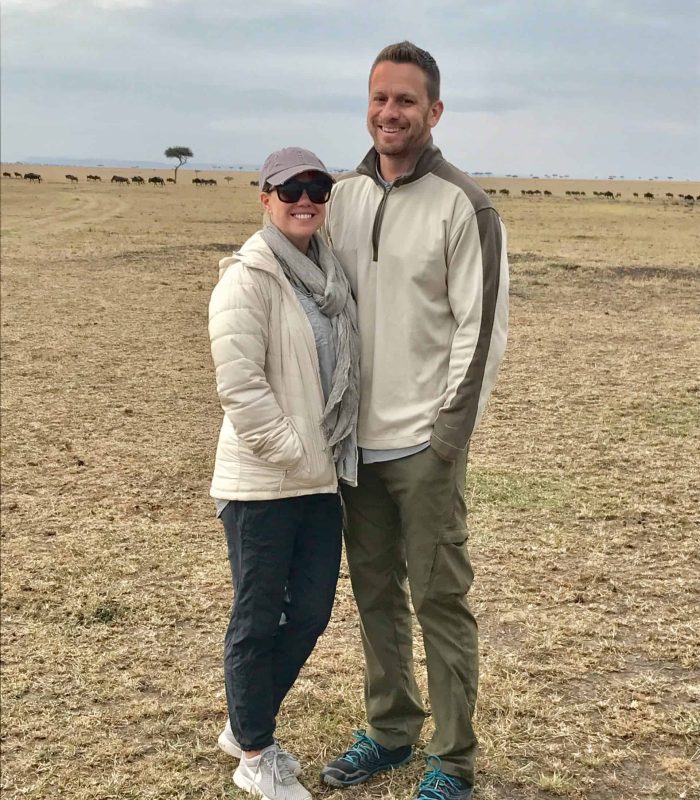
Are you wondering what to wear in Africa? In one word- layers, layers, and more layers! The temperatures can fluctuate rapidly and mornings in the Ngorongoro Crater can be close to freezing. Dawn and dusk in the open jeep are windy, so bring a jacket. As the African sun rises, so does the temperature. It is convenient to wear a short sleeve t-shirt, with a long sleeve shirt over it, topped with a jacket. Additionally, wear comfortable athletic pants. Jeans will feel too hot and stiff. Breathable, stretchy fabrics, that can get dirty are the best options.
Last but not least, bring a few essential accessories with you. A tight-fitting hat will help shade your face from the sun and help manage your hair in the wind. BUFF face covers or neck gaiters are also nice to cover your nose and mouth to help reduce dust. You won’t want to forget sunglasses either. A light scarf helps keep your neck warm. Regular sneakers are fine, unless you plan to do extensive walking tours over rough terrain.
It is also important NOT TO WEAR certain items while on safari. Camouflage clothing is generally reserved for military officials and is prohibited in some East African countries. Avoid metallic, blue, black or dark clothing in areas with tsetse flies. They are attracted to those colors. Their painful bites can transmit African sleeping sickness, which can be lethal. Tsetse flies are found in Tanzania and their bite HURTS. Please don’t wear head-to-toe safaris outfits and pith hat, or you will look ridiculous.
Seeking Stamps Tip: Ladies, you might need to use the “outdoor bathroom” so wear something you can squat in, if you get my drift.
5. “DON’T” Expect An East African Safari To Be Easy-
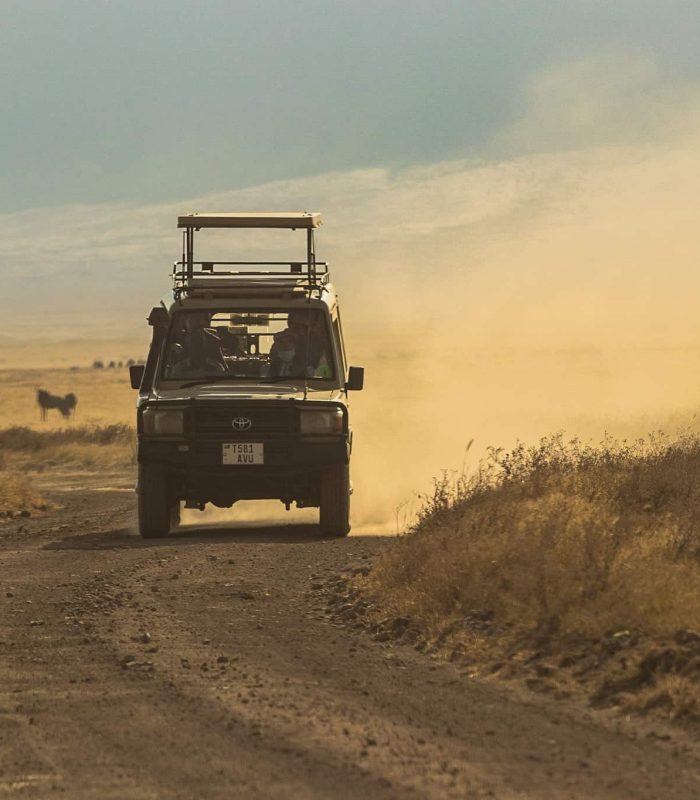
In contrast to most vacations, an East African Safari can be physically challenging. For morning games drives, you will be on the road as the sun rises. Riding over rough terrain is taxing on your body as the vehicle bounces along. You will experience fluctuations in weather and temperatures. At the end of each day, you will probably be dusty and sweaty. When we finished our safari portion of the trip, we were exhausted!
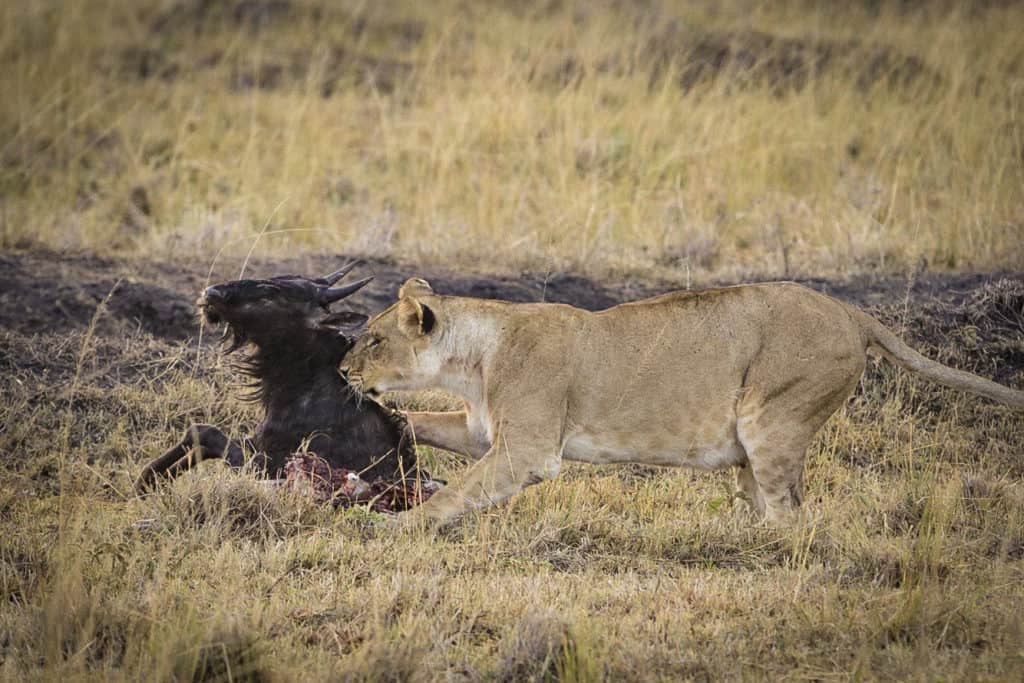
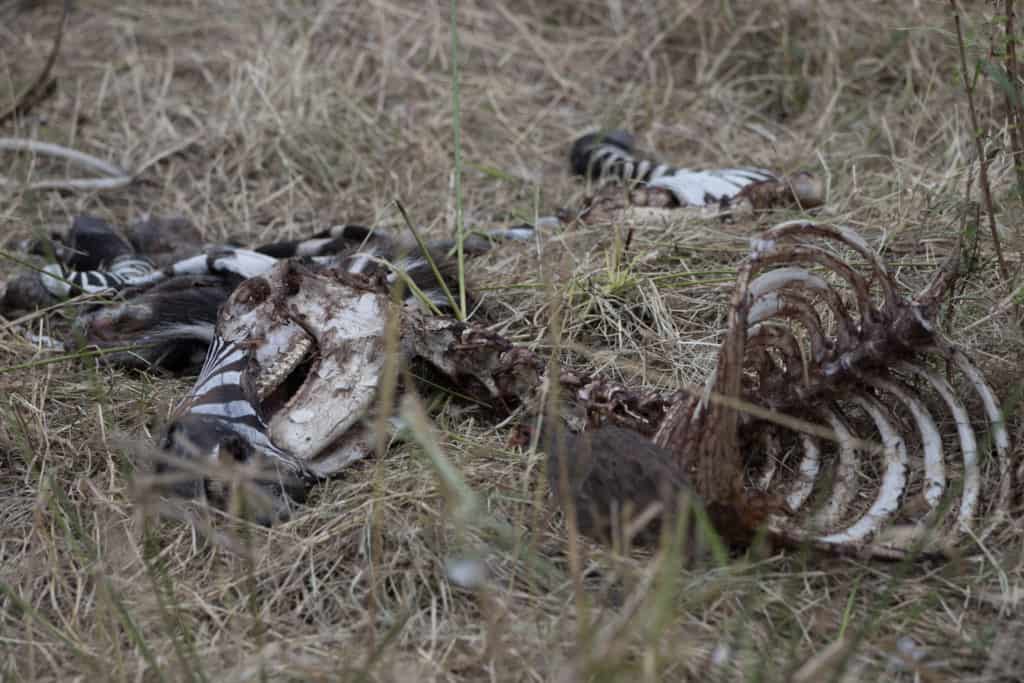
In addition to the physicality of safaris, the emotional component can also be difficult to endure. Watching animals hunt is intriguing, but also gut-wrenching. You are likely to see and SMELL a ton of dead animals during the Great Migration. In one encounter, we saw a baby wildebeest get snatched by a croc at a river crossing. I was heartbroken watching the mama stare at the water, calling for her baby. It brings tears to my eyes every time I reflect on the experience. Prepare yourself for the in-your-face brutality of raw nature.
Possible Post-Safari Add Ons:
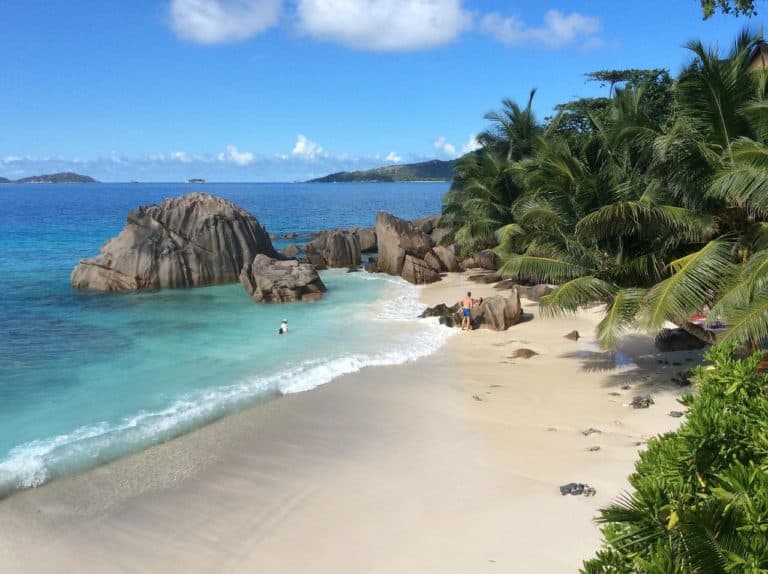
After an exhausting safari , consider spending a few days decompressing in the Seychelles. From Kenya, the flight to the Seychelles is just over 3 hours. We stayed at The Four Seasons Resort, Seychelles and enjoyed their hilltop ocean view villa with a private plunge pool. The Seychelles islands are known for crystal clear waters, beautiful granite rock formations and abundant marine life. It is a perfect spot to rest and recuperate after your busy safari.
Final Notes and Your Departure Home:
In total, we spent seventeen days on our vacation. We spent two nights in Dubai. Then six nights were in Tanzania, (1 night in Dar Es Salaam, 2 nights at Ngorongoro, and 3 nights Sayari Camp). Next, we were in Kenya for four nights. Finally, we wrapped it up with four nights in the Seychelles. It was very difficult to get the time away, but worth the time and every penny of expense.
I hope you found this article helpful in planning and organizing your safari trip. Without a doubt, an East African safari is an electrifying experience that you are sure to remember for a lifetime.
Want more travel inspiration? Make sure to check out my other blog post about luxury safaris in Tanzania.


